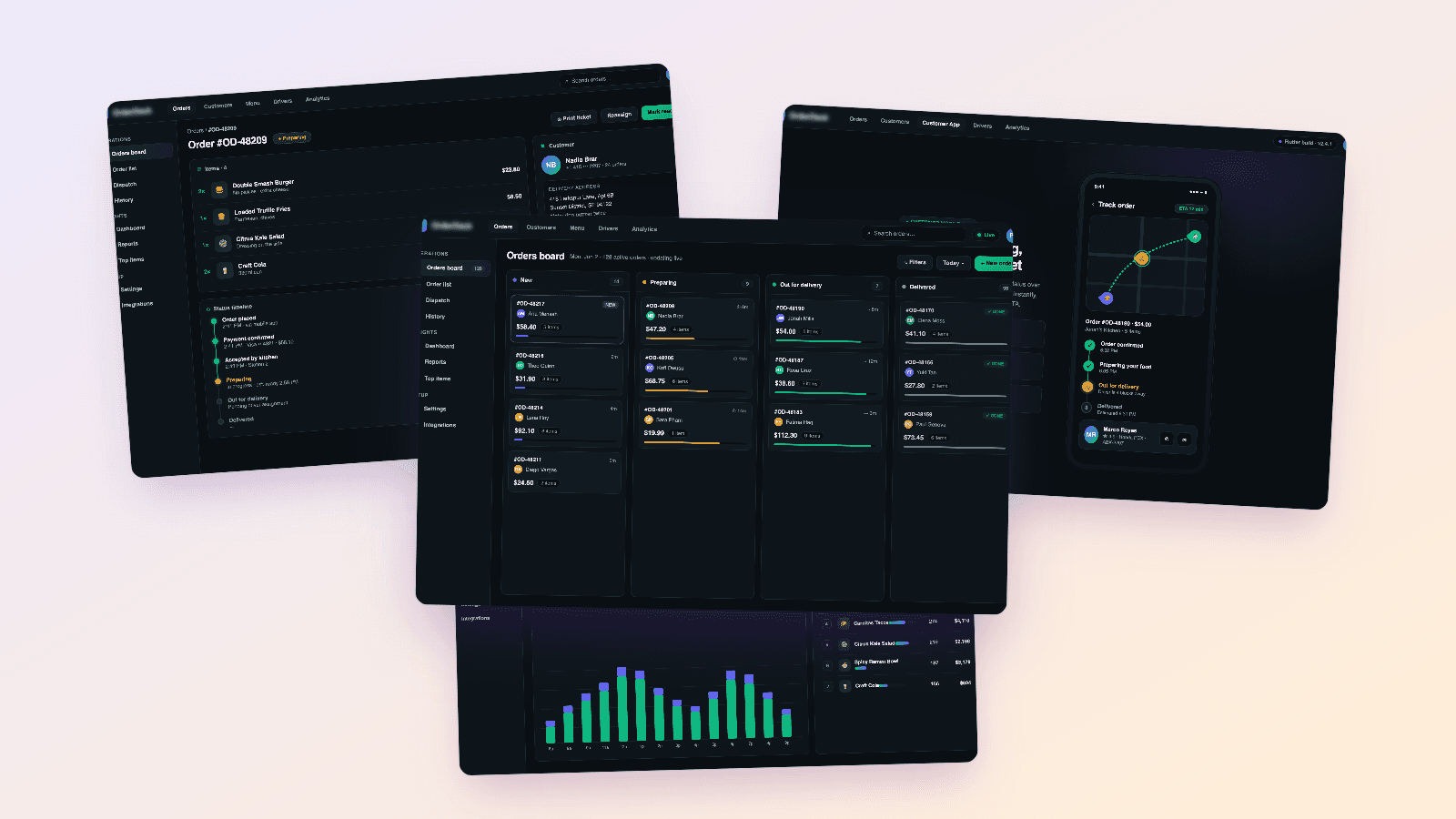
Healthcare Clinical Workflow Apps
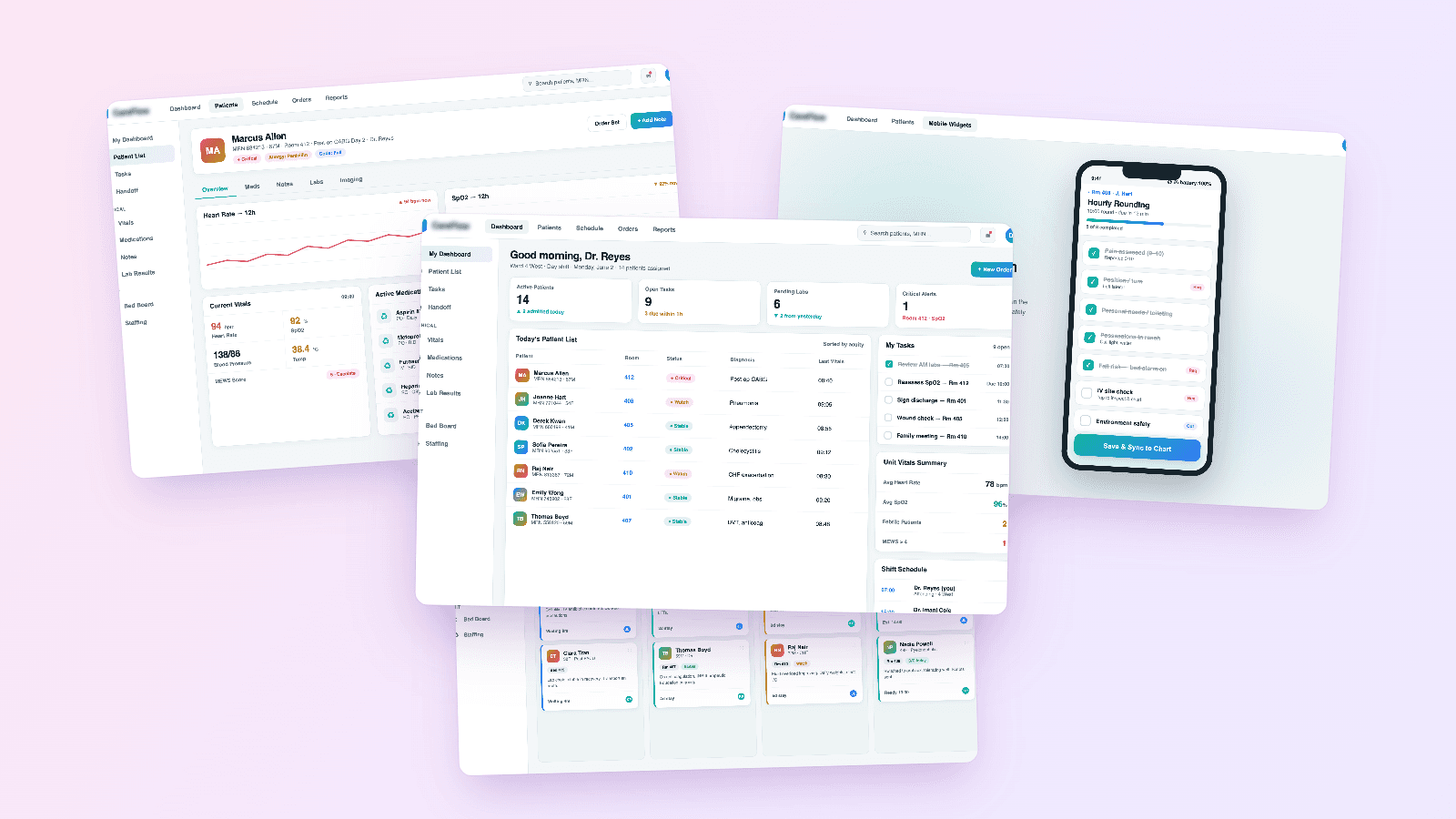
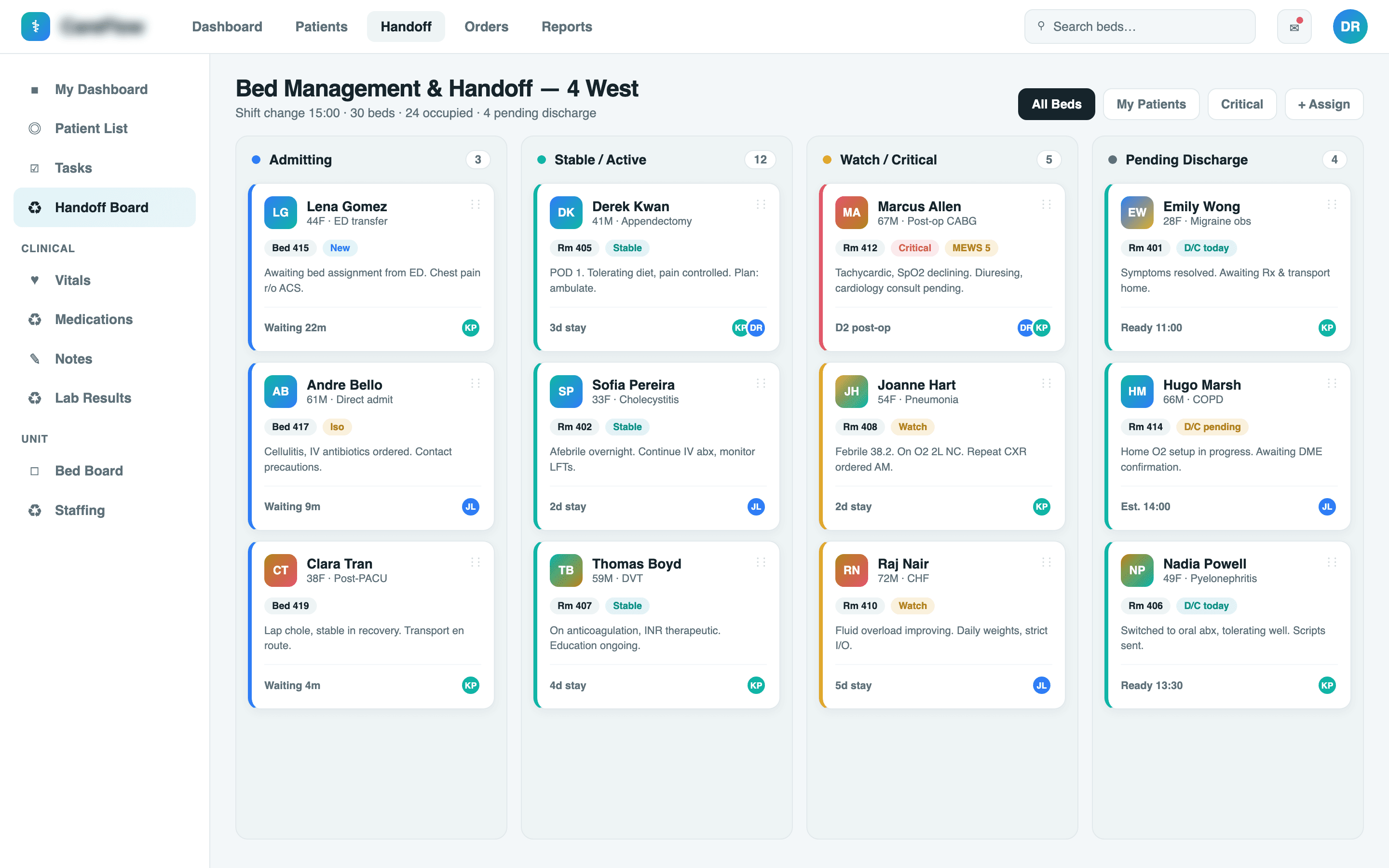
Clinical work is made up of small interruptions. A doctor moving between patients, a nurse tracking a task across a shift, a clinic staffer reconciling paperwork: each role runs into fragmented, manual processes that sit between them and the patient in front of them. None of these moments is a crisis on its own, but together they are where clinical time actually leaks.
The client's read on the problem was that no single monolithic system could close all of these gaps, because the gaps were not one problem. They were many specific bottlenecks scattered across different roles and different moments in a clinical day. What was needed instead was a steady stream of focused tools: small apps and widgets, each built to solve one bottleneck for doctors, nurses, or clinic staff, rather than one system asking everyone to adapt to it.
That framing changed what the engagement demanded. Building one tool well is one kind of problem; building many tools, repeatedly, at a pace that keeps up with an ongoing list of clinical friction points, is another. The work had to move fast across both mobile and web, without loosening the privacy discipline healthcare environments require: sensitive clinical data touched nearly everything being built.
10+ Production Apps & Widgets
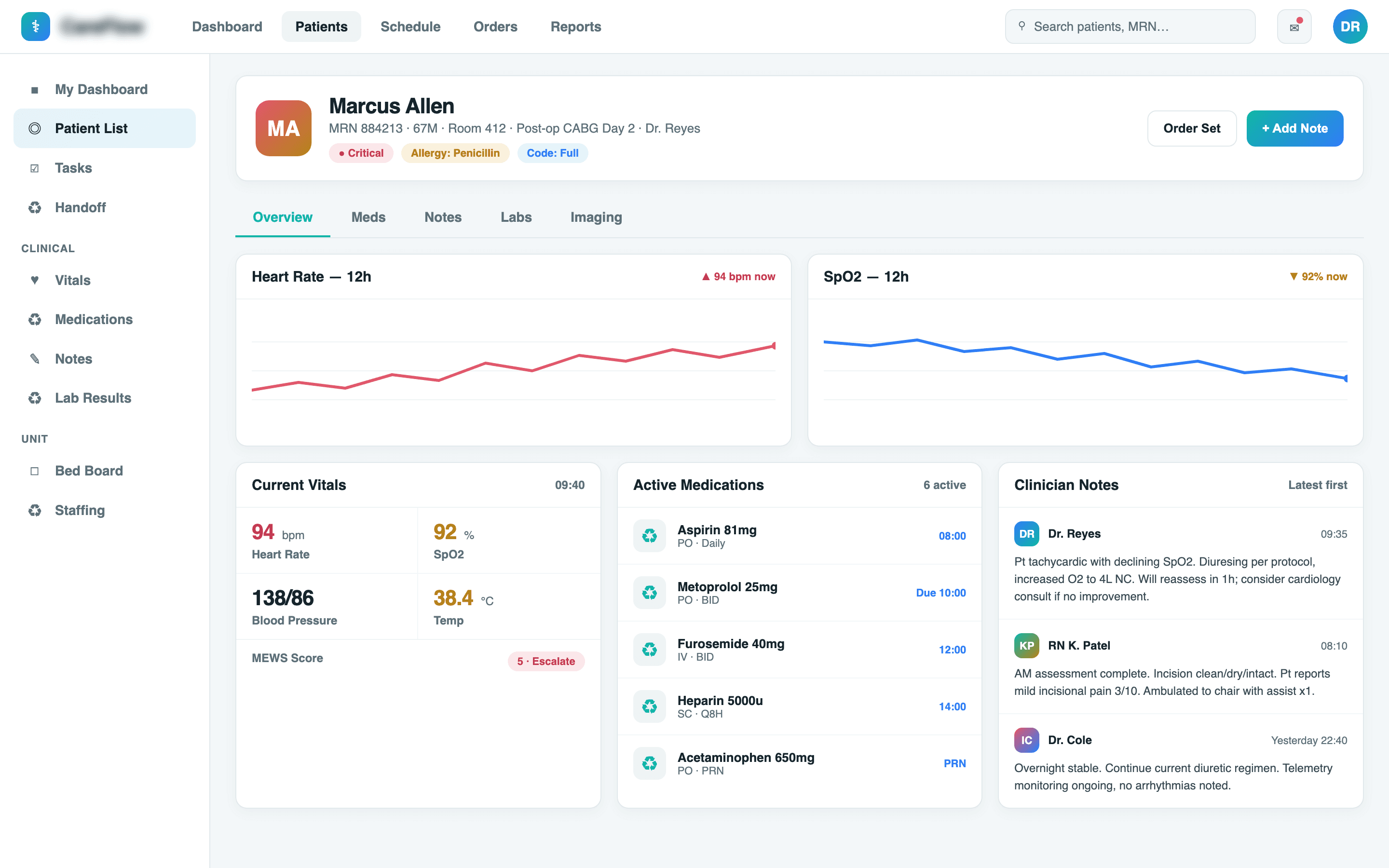
A suite of tools, each targeting a concrete clinical process.
Cross-Platform Mobile Apps
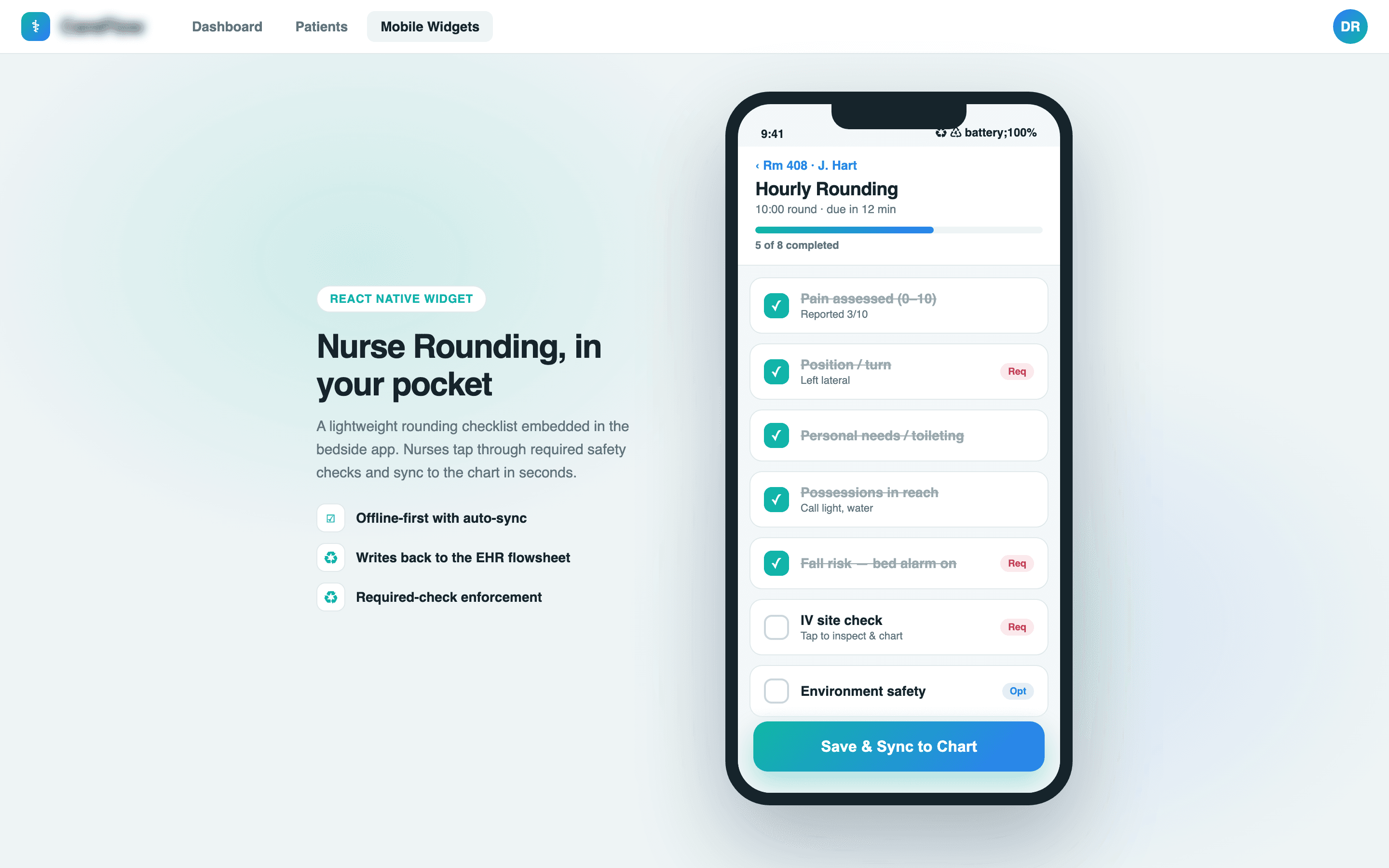
Apps for practitioners running on iOS and Android from a single codebase.
Embeddable Web Widgets
Widgets that drop into existing hospital portals without rebuilding host systems.
Workflow Simplification
Features that cut manual steps for doctors and nurses day to day.
Python Backend Services
Powering the data, logic, and integrations behind every tool in the suite.
The architecture followed the same logic as the delivery model itself: build for reuse and speed rather than treating each tool as a one-off.
- Standardizing on React Native and Flutter let every app reach both iOS and Android from one shared codebase instead of two separate native builds. Given how many discrete apps and widgets the engagement was producing, that choice kept each tool's footprint small enough that shipping the next one stayed manageable rather than getting harder as the portfolio grew.
- Clinical staff already work inside existing systems through the course of a shift, so a tool that pulled them into a separate app would add friction rather than remove it. Treating web widgets as a product in their own right, engineered to embed cleanly into those existing clinical systems, let a fix appear inside the workflow staff were already using, at the point where the bottleneck occurred.
- Because the tools handled clinical information, privacy could not be added after a feature was built. It had to shape how each app or widget handled sensitive data from the start. That meant deliberate, controlled handling of that data at every stage, matching the discipline healthcare environments require rather than lighter defaults.
- Rather than treating each new app or widget as a fresh build, the team assembled modular, reusable building blocks that later tools could draw on directly, so each new app reused proven components instead of reimplementing the same functionality again. That reuse is what made a rapid, repeated delivery cadence practical rather than a series of slower one-off builds.
- The engagement produced more than ten distinct apps and web widgets, each reaching active clinical use rather than stopping at a pilot or a prototype. That volume, sustained across the engagement, is itself evidence that the cross-platform, modular approach held up under repeated use rather than working only for a first or second app.
- Individually, each tool targeted one specific bottleneck; collectively, they simplified hospital workflows across the roles they touched. Doctors and nurses were able to operate faster because steps that had previously required manual work were now handled by a purpose-built tool instead, freeing up time that had been going to workarounds rather than to patients.
- Beyond the individual tools, the engagement validated the delivery model behind them: that a shared, reusable foundation could support rapid delivery of many distinct apps rather than just one. That proof matters going forward as much as for what was already built, since it shows the same foundation can keep absorbing new bottlenecks as they are identified rather than requiring a fresh build effort each time.
Discovery
Understand the problem, the users, and the real constraints before any design work starts.
Design
Architecture and UX decisions made deliberately, before a line of production code is written.
Build
Iterative development with regular check-ins, so direction can be corrected early and cheaply.
Test
QA and hardening against real-world edge cases before anything reaches production.
Ship & Support
Launch, then stay involved: monitoring, fixes, and iteration as the product keeps growing.